


1. Yogurt
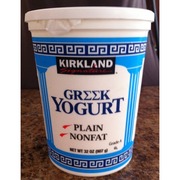
Solution: Buy plain yogurt and flavor it yourself. You’d be amazed at how far a handful of raspberries or a tablespoon of honey will go to cut the bitter taste. For me I love to do 1/2 cup of plain greek yogurt with 1/2 cup strawberries and a drizzle of honey!
2. Wheat Bread
 Whole-grain wheat is better for you than refined wheat. By keeping the bran and germ, you maintain the naturally occurring nutrients and fiber. But, for some reason, manufacturers constantly come up with new ways to lead you back to the refined stuff. One of their latest tricks is to refer to refined flour as “wheat flour” because, obviously, it’s made of wheat. But just because it’s wheat-based doesn’t mean it’s not refined. The distracted shopper can mistake this label for “whole wheat flour” and throw it in his cart. Another loaf of cruddy, refined, fiberless bread has a new home. Also note that most breads have high fructose corn syrup in them, even the whole wheat bread does! I always read my labels and actually Costco has a great bread that I love!
Solution: Slow down when you read the label. That word “whole” is an important one. I eat Ezekiel bread which is found in the freezer section of the grocery store. I rarely eat bread but when I do it’s usually toasted and eaten with my omelet.

3. Chicken
Solution: Go for the breast, and while you’re at it, ditch the skin. It’s nothing but fat.
4. Frozen or Canned Fruit
 Any food swimming in juice or “light syrup” isn’t good for you. Furthermore, most canned fruit is peeled, meaning you’re being robbed of a valuable source of fiber. Frozen fruit is a little trickier. Freezing preserves the fruit itself, but some manufacturers add sugar during the freezing process to preserve color and taste.
Solution: Read that ingredients list! You want it to say fruit, water—and that’s it.
5.
Canned Vegetables
Solution: Many companies offer “no salt added” options. If you can’t find one to your liking, go frozen instead—many of these don’t contain salt. Or better yet, buy what’s fresh and in season. Right now being served on our kitchen table is fresh asparagus, green beans, zucchini and peppers.
6. Peanut Butter
Apparently, it’s so difficult that many companies feel compelled to add sugar or high-fructose corn syrup into the mix. Why? I don’t know. Some manufacturers, such as Skippy®, are up front enough to admit this and call their product “Peanut Butter Spread,” but many others still refer to this sugary concoction as good old “peanut butter.”
Solution: Read the label. (There’s a theme emerging here.) Considering real peanut butter has one ingredient—two ingredients, max—it shouldn’t be too hard to figure it out. The Smuckers all natural, Kirkland brand and the Mara Natha Peanut butter brands are the best ones that I have found! Oh and I have to add that my husband and kids eat them as well.

7. Juice
 The range in the nutritional value of store-bought juices is massive. On one end, you have “fruit drinks” with barely any actual juice in them. On the other end, you have fresh-squeezed, 100% preservative-free juices like Odwalla® and Naked Juice®. But no matter which you choose, it’s important to remember that it’s never going to be as healthy as whole fruit. And if you’re trying to lose weight, it’s a flat-out bad idea.
First off, it’s been stripped of fiber, so you absorb it faster, which makes it more likely to induce blood sugar spikes. Secondly, you consume it faster and it’s less filling, so you’re more likely to drink more.
There are a few instances when juice is okay. For example, a home juicer can make predominately veggie-based drinks that are loaded with vitamins and minerals and lower in calories. If you’re using this as part of a supervised juice fast, or you’re trying to target a particular nutrient while concurrently not trying to lose weight, go for it. Otherwise, it’s simply not worth it.
Solution: If you must buy it, go fresh-squeezed, but you’re usually better off just skipping it entirely. I can honestly tell you that I NEVER drink juice and I stick to mainly water and tea. I just would rather eat the real fruit vs the juice. Plus it doesn’t give me anything that is going to keep me full.
8. Canned Soup
Solution: Read those labels carefully. Most companies make low-sodium versions.
9. Fat-Free Salad Dressing
Solution: Make your own salad dressing. One part vinegar and one part olive oil with a blob of Dijon mustard makes an awesome vinaigrette. And here’s another trick: Make your salad in a sealable container, add a tiny bit of dressing, and shake it up. It’ll coat so much more than tossing will.


